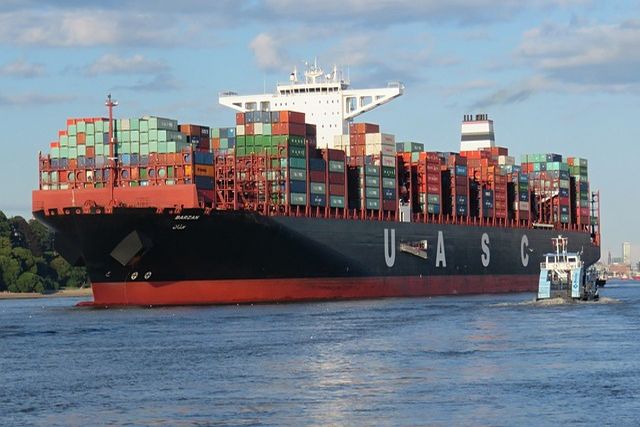
Sea freight is a shipping method used to transport goods overseas by sea using cargo ships. It is the most common mode of transportation for international trade, and it is used to ship a wide variety of goods, including:
- Consumer goods
- Industrial products
- Raw materials
- Food and beverages
- Vehicles
- Machinery
Sea freight is a cost-effective way to ship large quantities of goods over long distances. It is also a reliable and secure mode of transportation, and it is available to a wide range of destinations.
There are two main types of sea freight: full container load (FCL) and less than container load (LCL). FCL is the most common type of sea freight, and it is used when a shipper has a full container of goods to ship. LCL is used when a shipper does not have a full container of goods to ship, and it is more cost-effective than FCL.
Sea freight is a complex process, and it is important to work with a freight forwarder to ensure that your goods are shipped safely and efficiently. A freight forwarder can help you with all aspects of the shipping process, including:
- Booking space on a cargo ship
- Obtaining the necessary documentation
Handling customs clearance - Arranging transportation to and from the port
Sea freight is a safe and reliable mode of transportation, but it is important to be aware of the risks involved. Some of the risks associated with sea freight include:
- Delays: Cargo ships can be delayed due to weather, mechanical problems, or other factors.
- Damage: Cargo can be damaged during shipping due to rough seas, improper handling, or other factors.
- Loss: Cargo can be lost during shipping due to theft, fire, or other factors.
By working with a freight forwarder and being aware of the risks involved, you can minimize the risks associated with sea freight and ensure that your goods are shipped safely and efficiently.
Here are some of the advantages of sea freight:
- Cost-effectiveness: Sea freight is the most cost-effective way to ship large quantities of goods over long distances.
- Reliability: Sea freight is a reliable mode of transportation, and it is available to a wide range of destinations.
- Security: Sea freight is a secure mode of transportation, as cargo is inspected and screened before it is loaded onto cargo ships.
Here are some of the disadvantages of sea freight:
- Time: Sea freight is the slowest mode of transportation, and it can take weeks or even months for goods to arrive at their destination.
- Damage: Sea freight is more likely to cause damage to goods than other modes of transportation.
- Complexity: Sea freight is a complex process, and it is important to work with a freight forwarder to ensure that your goods are shipped safely and efficiently.
Overall, sea freight is a good option for businesses that need to ship large quantities of goods over long distances. However, it is important to weigh the costs and benefits of sea freight before making a decision.